
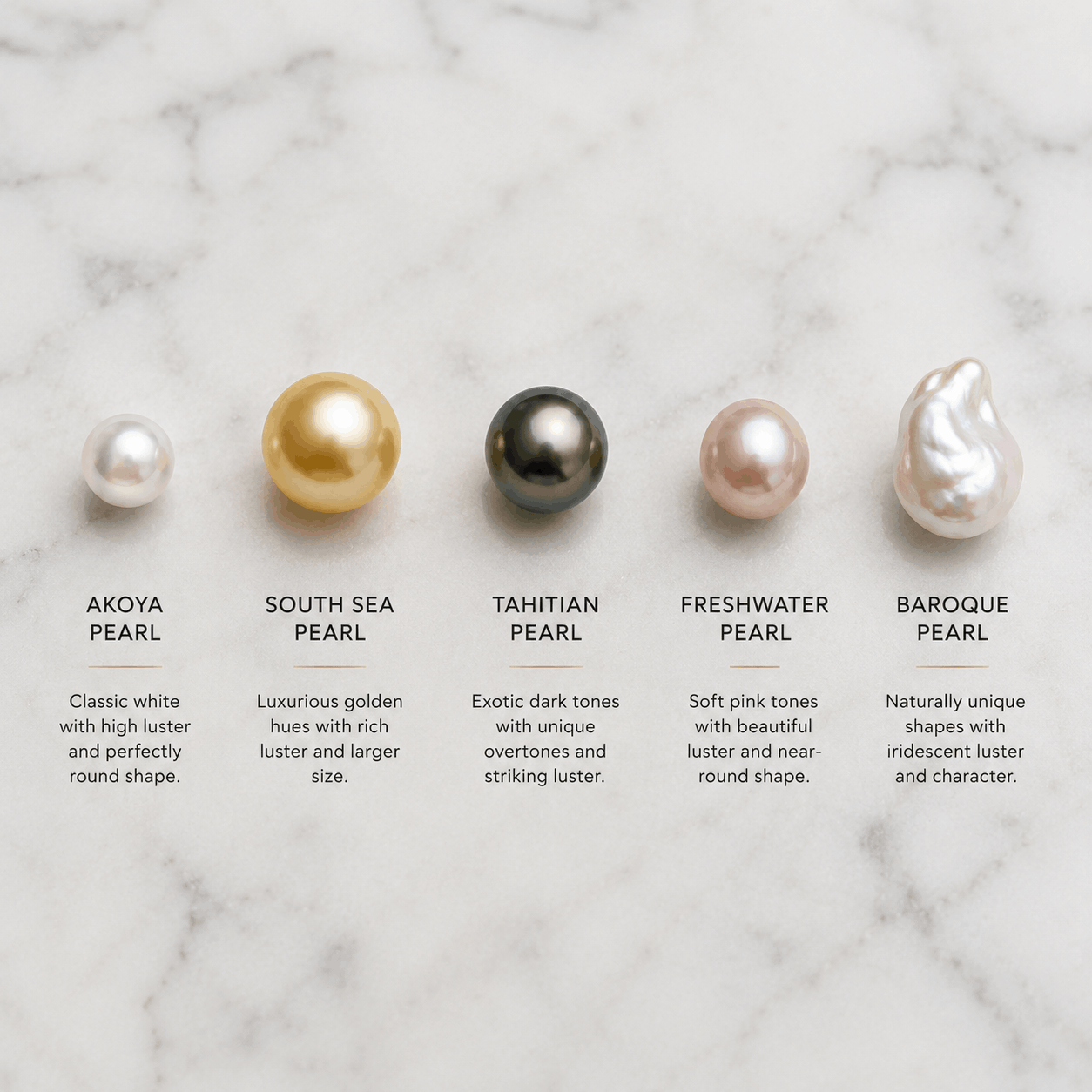
Una vez me paré frente a un mostrador de joyería intentando entender por qué cuatro collares que se veían prácticamente iguales tenían cuatro precios completamente distintos. Nadie me lo explicó bien en ese momento. Me tomó años de comprar, devolver y hacer demasiadas preguntas hasta que realmente entendí los diferentes tipos de perlas y por qué tienen precios tan distintos. Así que aquí va la versión corta — la que ojalá alguien me hubiera dado en ese entonces en lugar de tener que descubrirlo de la forma más cara.
Perlas naturales vs. perlas cultivadas: El punto de partida real
Antes de hablar de los tipos específicos de perlas, hay una distinción que importa más que cualquier otra. Las perlas naturales se forman completamente por accidente: un grano de arena o un parásito entra en una ostra salvaje y la ostra la cubre con nácar durante años, sin ninguna intervención humana. Son verdaderamente raras. La mayoría de las perlas naturales que se venden hoy provienen de joyería antigua o subastas de herencias, y una sola puede costar más que una casa.
Las perlas cultivadas son distintas. Un técnico inserta un pequeño núcleo en la ostra, y la ostra hace el resto del trabajo de forma natural: cubriéndolo con nácar real durante meses o años. La perla misma es tan genuina como una natural. La única diferencia es cómo empezó el proceso. Prácticamente todas las perlas que se venden hoy, en cada categoría de abajo, son cultivadas. Eso no es una rebaja. Es simplemente cómo funciona la industria moderna de las perlas, y es lo que hace que las joyas de perlas sean realmente accesibles.
Perlas Akoya: La elección clásica
Las perlas Akoya provienen de ostras de agua salada frente a la costa de Japón y son lo que la mayoría de la gente imagina cuando escucha la palabra “perla”. Perfectamente redondas, con un lustre afilado, casi como espejo, que atrapa la luz de una forma que pocas otras perlas logran. Los tamaños suelen ir de 6 mm a 9 mm, y ocasionalmente más grandes en cosechas raras. Gracias a ese brillo intenso y su forma redonda clásica, las perlas Akoya han sido la elección tradicional para joyería formal y para novias durante generaciones.
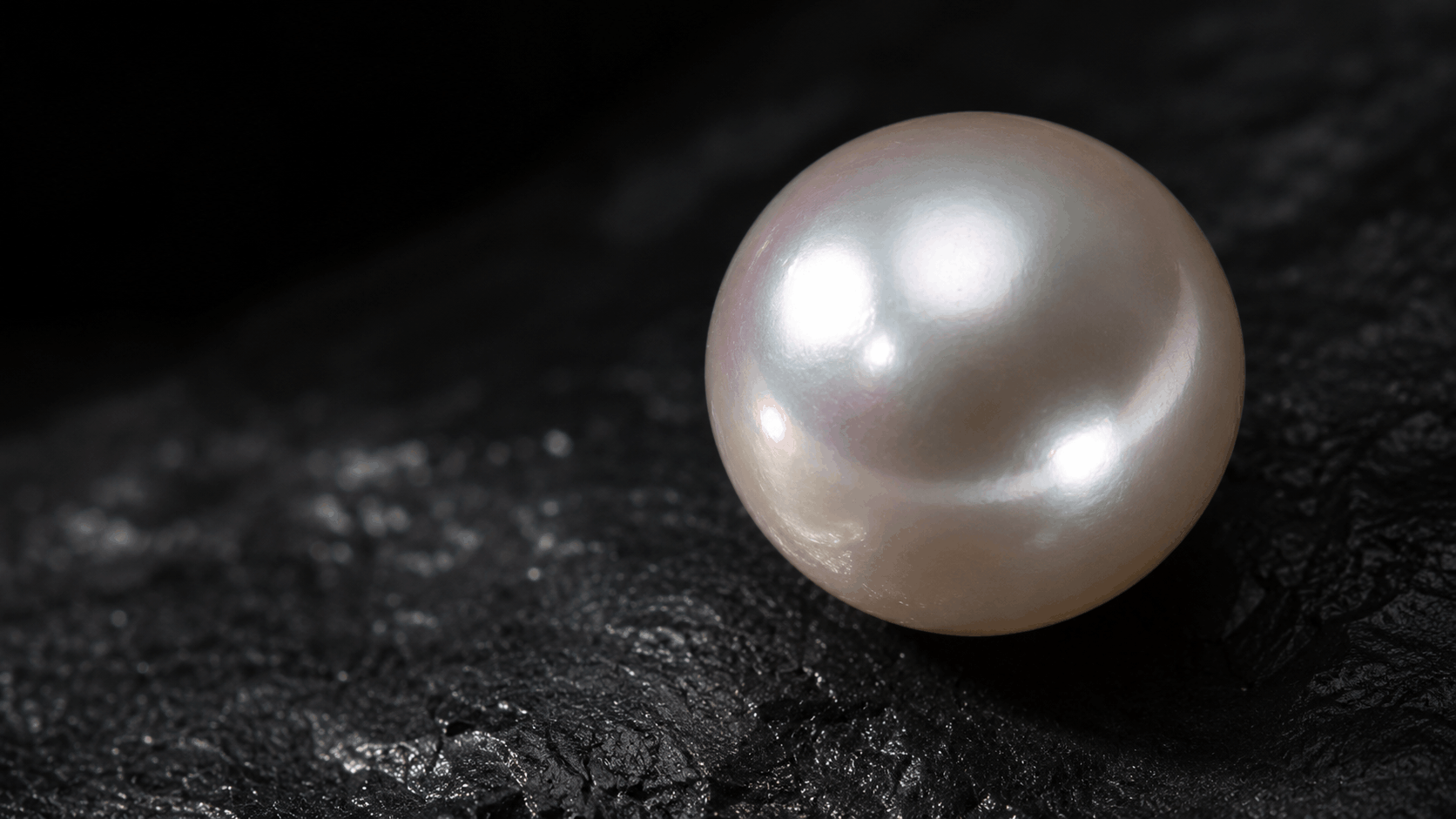
Si sostienes dos perlas una al lado de la otra y una se ve notablemente más brillante y nítida que la otra, hay muchas probabilidades de que estés mirando una perla Akoya. Ese brillo intenso es la señal más clara al comparar tipos de perlas en persona.
Perlas del Mar del Sur: Las más grandes y lujosas
Las perlas del Mar del Sur crecen en la ostra Pinctada maxima, la ostra productora de perlas más grande del mundo, en las aguas cálidas frente a Australia, Indonesia y Filipinas. El tamaño es el gran protagonista aquí: estas perlas alcanzan regularmente de 10 mm a 18 mm, superando ampliamente a las Akoya. El nácar también es mucho más grueso, lo que les da ese brillo profundo y satinado en lugar del brillo afilado de las Akoya.
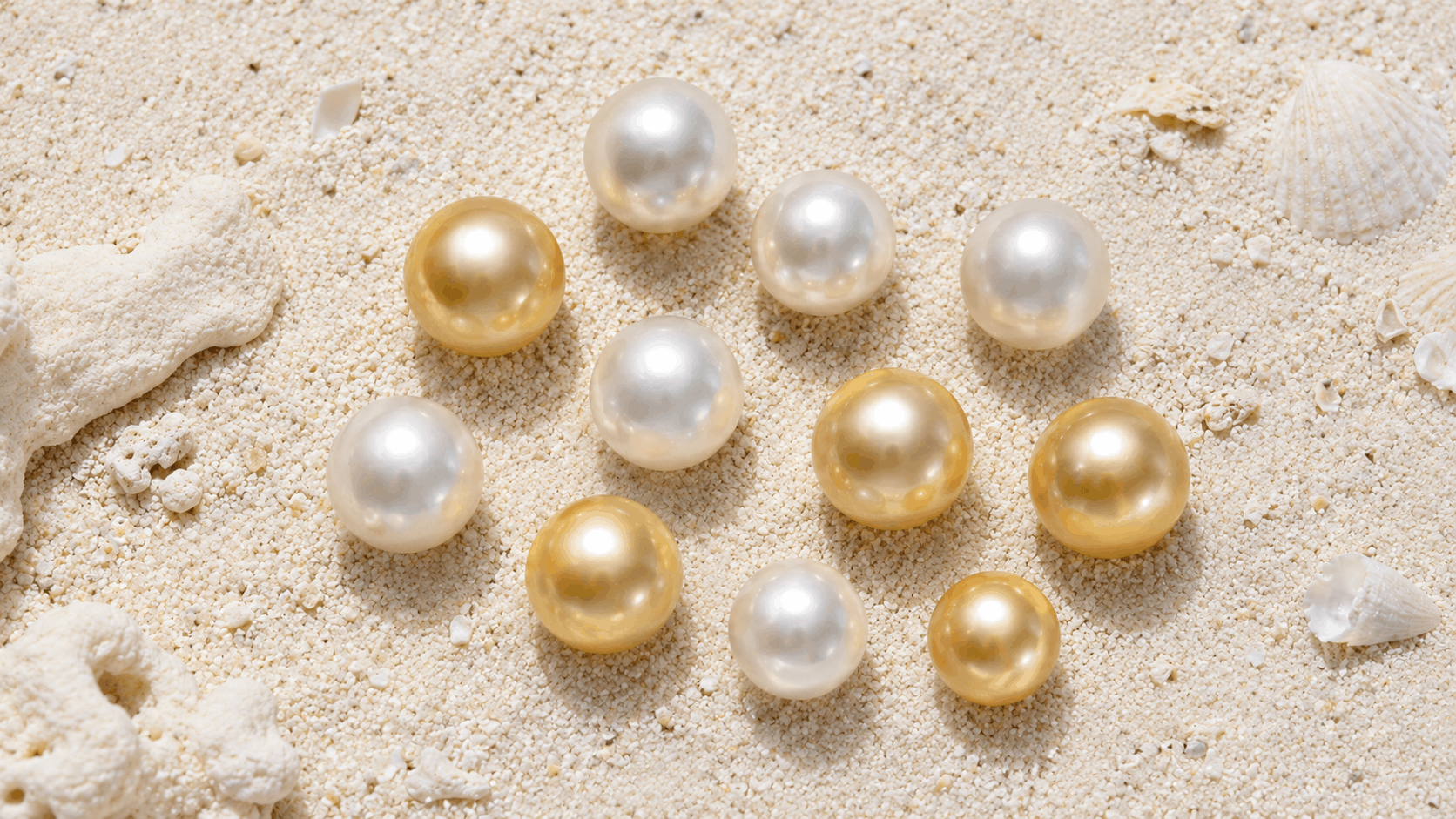
Vienen en blanco y en una gama de tonos dorados, siendo el dorado natural profundo especialmente valorado. Dado el tamaño, el grosor del nácar y la oferta limitada, las perlas del Mar del Sur ocupan la parte más alta del rango de precios entre los diferentes tipos de perlas, y ese precio refleja realmente la rareza y no solo la marca.
Perlas Tahitianas: La opción dramática y oscura
Las perlas Tahitianas crecen en la ostra de labios negros que se encuentra en la Polinesia Francesa y son el único tipo de perla que naturalmente viene en colores oscuros. No son realmente negras la mayoría de las veces — piensa en carbón profundo, plata, berenjena o ese famoso tono verde pavo real que cambia según la luz. Los tamaños son similares a los del Mar del Sur, normalmente de 8 mm a 14 mm.
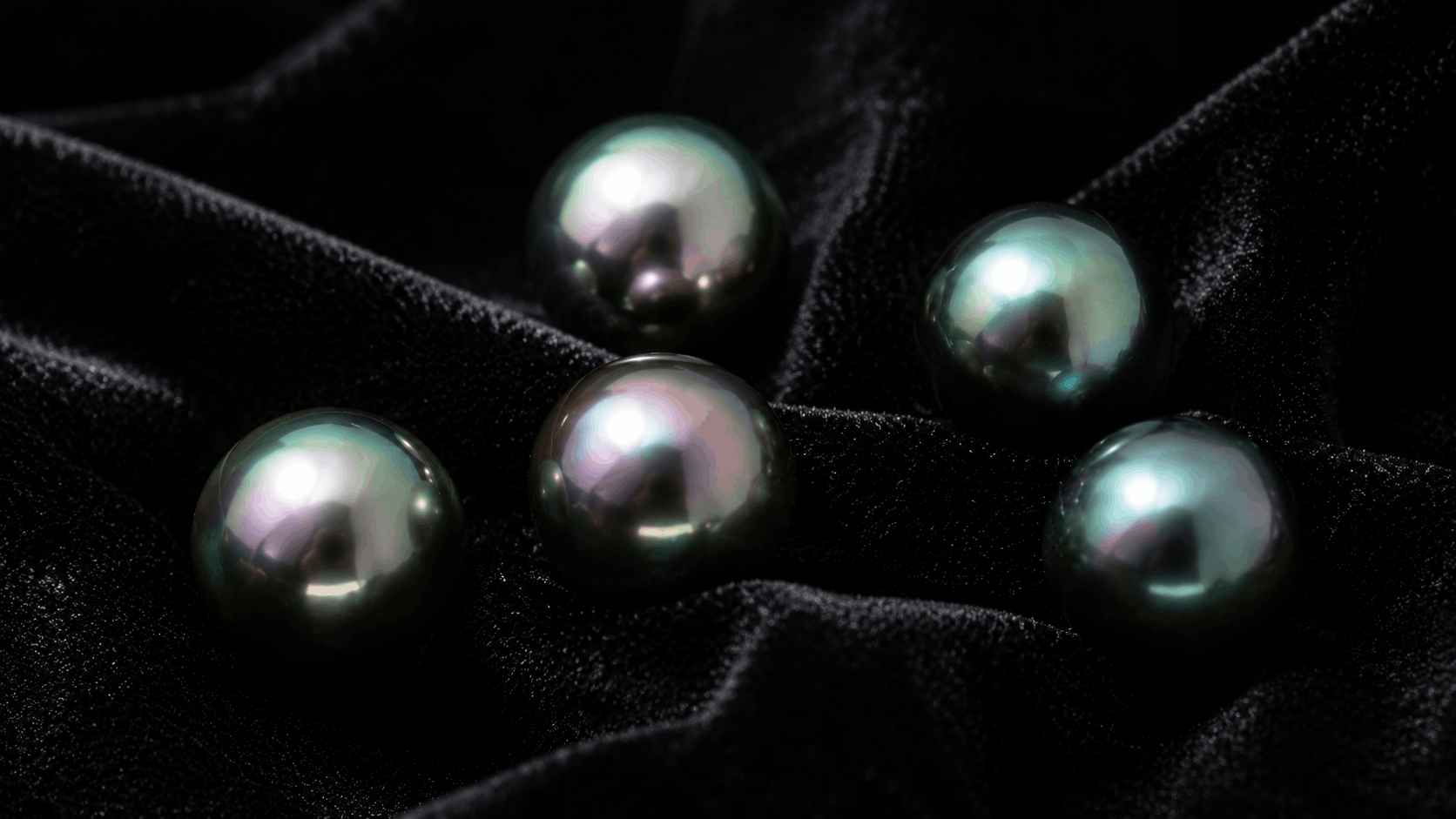
Si estás viendo una perla con cualquier coloración oscura o iridiscente, es casi seguro una perla Tahitiana, ya que ningún otro tipo principal de perla produce naturalmente esa gama de colores. Se han vuelto favoritas de compradores que quieren algo que parezca joyería clásica de perlas pero con un toque contemporáneo e inesperado.
Perlas de agua dulce: La opción versátil para el día a día
Las perlas de agua dulce crecen en mejillones en lagos y ríos, principalmente en China, en lugar de en ostras de agua salada. Como un solo mejillón puede producir varias perlas al mismo tiempo, las perlas de agua dulce son significativamente más accesibles que los tipos de agua salada de arriba. Además, ofrecen la gama más amplia de formas y colores de cualquier categoría de perlas: redondas, ovaladas, de botón, gota y las cada vez más populares formas barrocas, en blanco, rosa, lavanda, durazno y más.
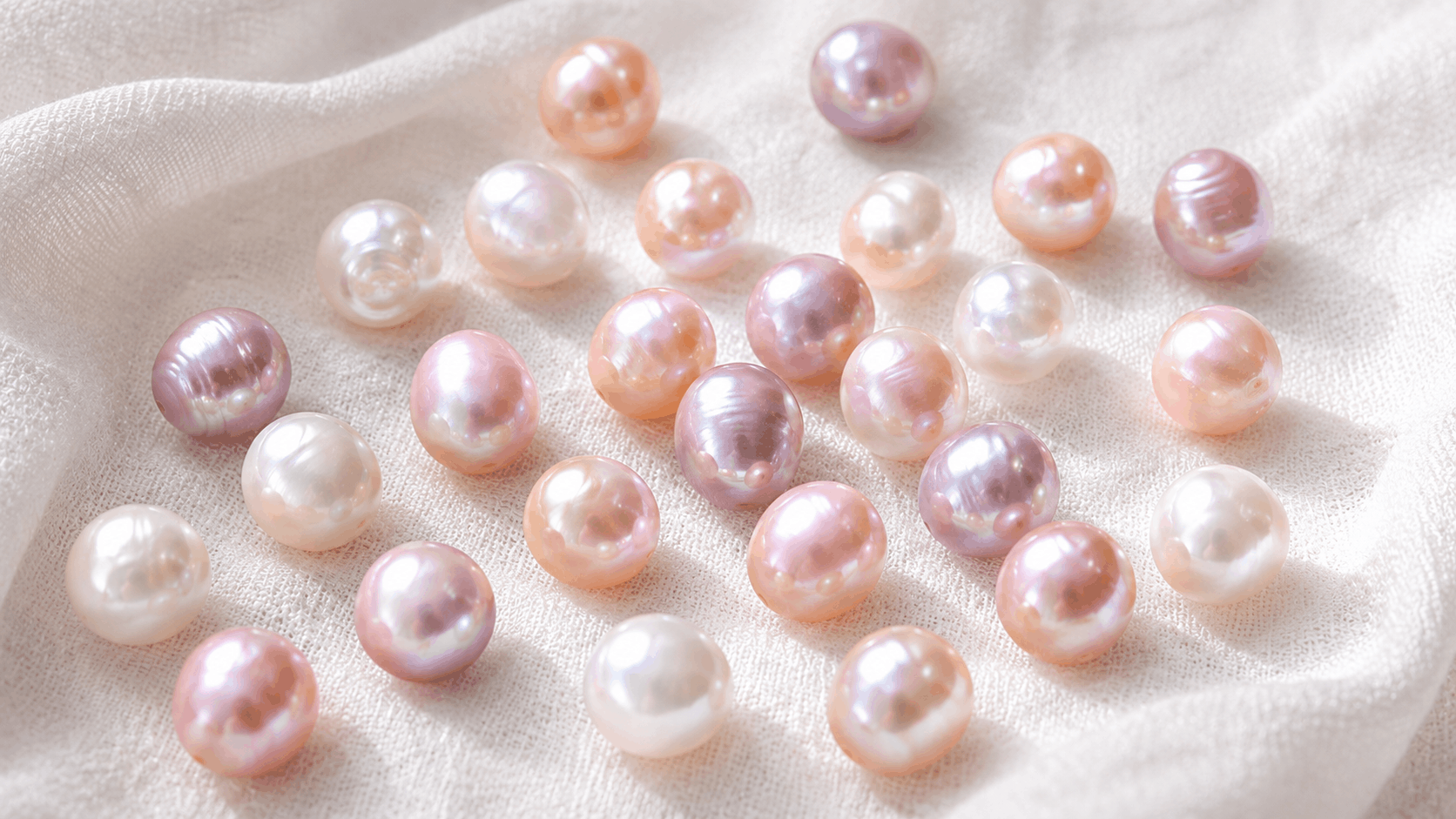
La calidad ha mejorado drásticamente en las últimas dos décadas. Las perlas de agua dulce de grado superior de hoy rivalizan de verdad con las Akoya en lustre, solo que a una fracción del precio, lo que las convierte en uno de los puntos de entrada más inteligentes al mundo de las joyas de perlas auténticas.
Perlas barrocas: No una especie separada, sino una forma
Aquí hay algo que confunde a mucha gente. Barroca no es un tipo propio de perla como Akoya o Tahitiana. Es una forma que puede ocurrir en cualquiera de los tipos anteriores: una forma irregular y orgánica en lugar de una esfera perfecta. Verás perlas barrocas de agua dulce con más frecuencia porque crecen naturalmente en formas más variadas, pero también existen perlas barrocas Akoya, del Mar del Sur y Tahitianas, normalmente a un precio más bajo que sus versiones redondas del mismo tipo.
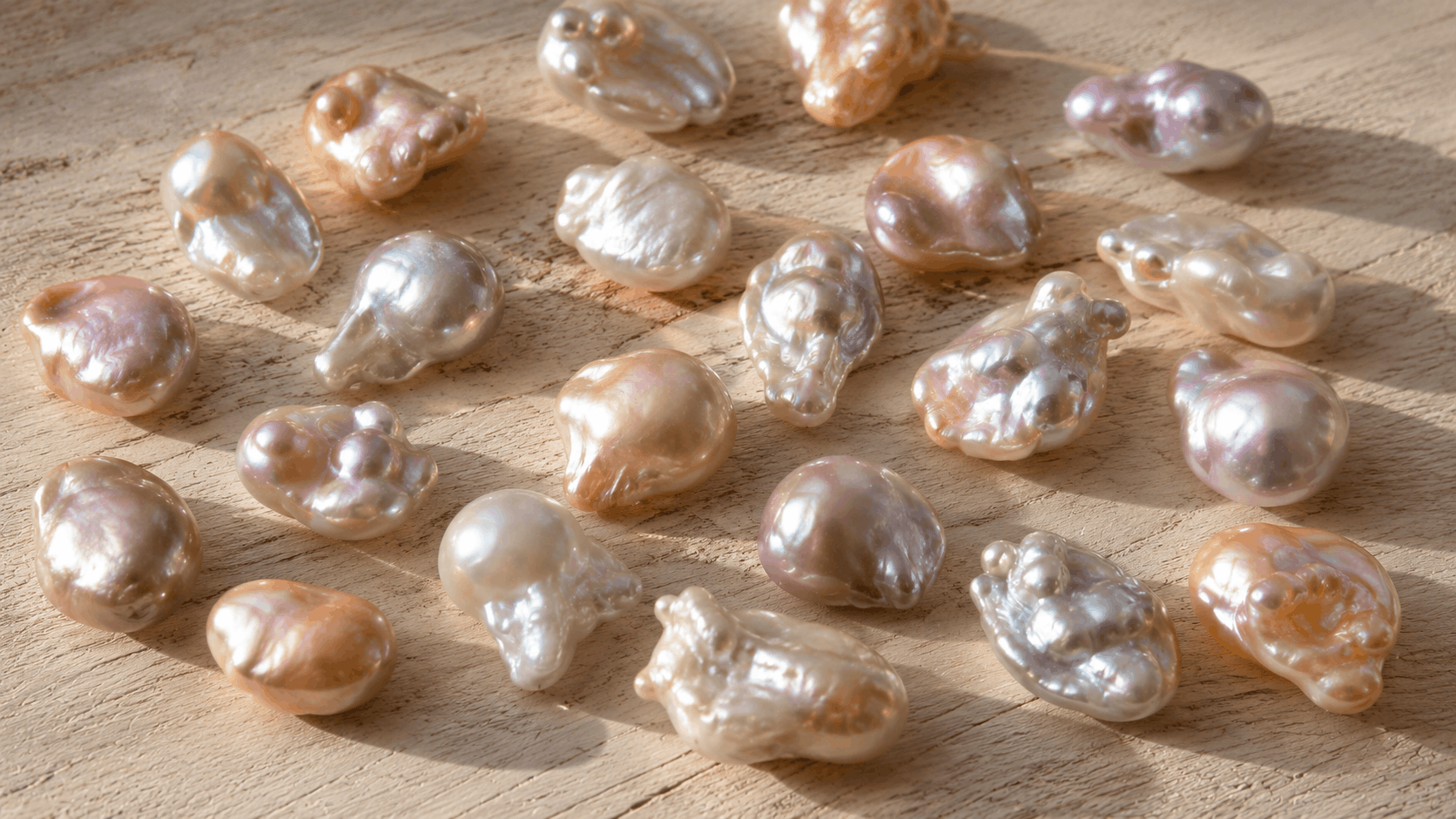
Lo que las perlas barrocas pierden en simetría lo compensan con carácter. Ninguna dos se ven exactamente iguales, y esa es precisamente la razón por la que se han vuelto tan populares en diseños de joyería modernos y menos tradicionales en los últimos años.
Cómo distinguirlas cuando estás comprando de verdad
Resumiendo todo, aquí está la forma más rápida de identificar qué estás mirando. Revisa primero el lustre: afilado y metálico apunta a Akoya, suave y satinado a Mar del Sur, y un brillo más suave suele significar agua dulce. Revisa también el color después: tonos oscuros o iridiscentes significan Tahitiana, ya que ningún otro tipo principal produce naturalmente esa gama. Revisa el tamaño después: cualquier cosa confiablemente por encima de 10 mm en blanco u oro es casi seguro Mar del Sur, mientras que perlas blancas redondas más pequeñas suelen ser Akoya o agua dulce de alta calidad.
Y cuando tengas dudas, pregunta directamente al vendedor y espera una respuesta real con documentación que lo respalde. Cualquier minorista serio puede decirte exactamente qué tipo de las diferentes perlas estás viendo, junto con tamaño, calidad y origen. Explora nuestra colección completa de collares de perlas en PearlsOnly para comparar todos los tipos uno al lado del otro y encontrar el que realmente es el correcto para ti.
